

Ease Meets Toughness: The Fabrics Underpinning Righteous Clothing
Anyone digging into a righteous review before buying tends to ask the same question up front: what is this clothing really made of? It’s a reasonable question, because material selection dictates the outcome down the line — how a garment fits after twenty washes, whether it wears thin at the cuffs, how it feels against skin on a humid afternoon compared with a cold morning. Righteous clothing has built its identity around this exact concern, treating material selection as the foundation of the brand rather than a secondary consideration tucked into a product description. You can see this thinking in the way each piece is put together, from the yarn used to the finishing techniques applied before a garment ever gets to the customer.
This article breaks down what goes into we are righteous apparel, why those decisions matter for everyday wear, and how the materials measure up next to standard fast-fashion alternatives still widespread in 2026. We’ll also look at care, durability expectations, and where the righteous hoodie sits within the brand’s overall range. No padding, no vague sales-speak — just the real-world specifics that help someone decide whether this brand fits their wardrobe.
How Fabric Decisions Define an Apparel Label
Fabric is the single biggest factor separating clothing that stands the test of time from clothing that ends up in a donation bin after six months. A cheap, slack-knit cotton blend might feel soft on day one, but it stretches out of shape after several launderings and starts growing threadbare at stress points like elbows and underarms. Righteous clothing brand sets itself apart from this pattern, opting for denser, tightly knit fabrics that resist deformation even with repeated wear. This is more than a promotional line — it reflects a larger shift in how consumers assess apparel now that fast fashion’s environmental and durability weaknesses are broadly recognized.
Most shoppers underestimate how much weight matters. Fabric weight is usually measured in grams per square meter (GSM), and garments under 180 GSM tend to feel thin and see-through, while anything above 280 GSM begins to seem solid and well-formed. Righteous apparel generally sits in the mid-to-heavy range, which accounts for why customers commonly describe the pieces as feeling “worth the price” rather than insubstantial. On top of that, denser fabric keeps its https://rightheous.com/t-shirts/ form through the dryer, meaning reduced need for ironing and less frustration on laundry day.
Additionally, how a fabric behaves under tension deserves attention too. Stretch recovery — the ability of a garment to return to its initial form following tension — is a technical property that separates well-made basics from poorly made ones. Since elastane-blended materials, even in small proportions, outperform pure rigid cotton in snapping back, many righteous pieces incorporate blended constructions rather than relying on single-fiber fabrics alone.
The Righteous Hoodie, Unpacked
Rightly so, the righteous-hoodie design has turned into something of a flagship item for the brand, since hoodies are demanding when it comes to construction where material quality is concerned.
A badly made hoodie droops around the hood, has drawstrings that go slack, and shows signs of pilling across the front pocket within weeks.
The righteous hoodie is built with a heavier fleece-back construction, so that the inner layer is softly brushed while the outer layer stays sturdy and smooth. This two-layer approach is common among premium streetwear brands but rarely found in lower-cost options.
The cuff-and-hem ribbing is another point worth noting. That loose, droopy appearance lower-quality pieces develop within a season is prevented thanks to firm, carefully-sewn ribbing that maintains a hoodie’s silhouette intact through repeated use and laundering. Extra-durable stitching along the seams — particularly where the sleeve joins the body — lowers the risk of tearing under day-to-day motion, whether that’s lifting your arms up or carrying a backpack.
Customers writing a we are righteous review often single out the hoodie’s weight and drape as reasons for repeat purchases. A hoodie that hangs correctly, without bunching at the waist or pulling at the shoulders, signals that the pattern-cutting behind it was done with actual wearability in mind, not just cost efficiency. That level of attention is one of the clearer signs of a brand thinking long-term rather than chasing short production cycles.
It Delivers Comfort plus Shape, Never a Trade-Off
Comfort is subjective, but there are objective criteria that play a role in it: airflow, weight distribution, and how the textile flows as you move. Righteous’s designs gravitates toward fabrics that balance softness with enough structure to hold a garment’s intended silhouette. This matters especially for loose-cut or relaxed silhouettes, which can look shapeless if the fabric is too soft and lacks any body.
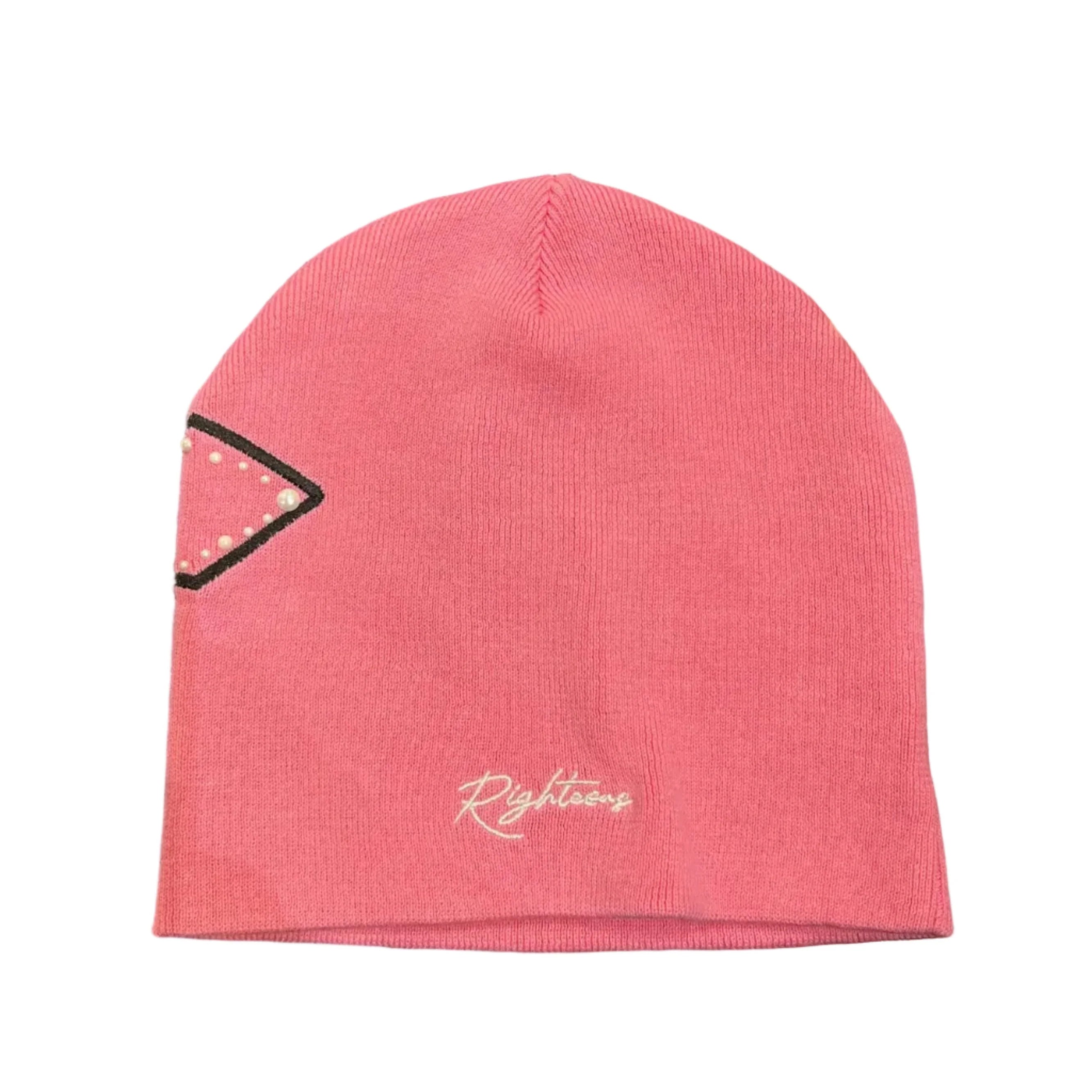
The combination of fiber makeup and weave tightness are the main drivers behind how breathable a fabric feels. Because cotton-heavy blends allow better airflow than fully synthetic fabrics, righteous apparel leans into cotton-forward blends for items meant for regular use, setting aside more engineered, performance-oriented fabrics for particular types of product. By design, no single formula covers everything — a hoodie for chillier conditions calls for something other than what a breezy, warm-weather tee needs.
Thermal balance is also a factor in how a garment is perceived over time. Textiles that don’t distribute heat evenly can feel uncomfortable during in-between weather, while smartly picked blends flex more naturally with conditions. It’s a subtle yet telling distinction—one that sets apart a brand that has rigorously tested its materials across seasons from one that hasn’t.
Longevity: What Really Lasts Over Time
A garment’s staying power isn’t just about the material alone — it hinges on every component working together: threadwork, reinforced seams, colorfastness, and the fittings on drawstrings or zips.
Righteous clothing brand has earned recognition in part thanks to seams that are doubly stitched and reinforced, which lower the likelihood of unraveling at stress points.
This is a relatively low-cost manufacturing decision that makes an outsized difference in how long a garment survives regular wear and washing.
Yet another overlooked resilience marker is colorfastness. Inexpensive dyes lose vibrancy considerably after 10 to 15 washes, resulting in garments looking drab and mismatched. Better-grade dyeing methods, particularly reactive dyeing techniques applied to cotton-based fabrics, preserve hue far longer and fend off the faded appearance that afflicts cheaper apparel. Customers reading a righteous review will often note that colors stay vivid even after months of regular wear, which reflects this kind of attention to the dyeing process rather than luck.
Yarn quality paired with fiber length underpin pilling resistance. Finer yarns, the result of longer-staple cotton fibers, stand up to the tiny breakage that leads to pilling — whereas cheaper short fibers wear into pills fast under friction. This is a nuance impossible to spot visually when buying but very noticeable after a month of wear, which is just why it matters so much to long-term satisfaction.
Righteous vs. Conventional Fast Fashion: How They Differ
Concrete language, instead of theoretical statements, make it easier to recognize the difference. The comparison table beneath this summarizes overall characteristics common to mass-market fast-fashion staples compared to the benchmarks righteous clothing works to uphold throughout its core apparel ranges.
| Characteristic | Everyday Fast Fashion | Its Righteous Clothing Approach |
|---|---|---|
| Fabric Weight | Typically under 180 GSM, feels thin | A heftier, mid-range weight for structure and durability |
| Stitch Build | One layer of seam work that wears loose over time | Double-stitched seams placed at stress points |
| Dye Retention | Noticeably fading by 10–15 washes | Reactive dyeing for longer color retention |
| Shape Recovery | Loses tautness, loses shape quickly | A fiber blend for stronger stretch recovery |
| Anti-Pill Performance | High pilling within weeks | Fabric pilling gets minimized by using longer-staple fibers |
We’re not talking about dramatic, flashy differences — it’s the type of small, cumulative craftsmanship choices that accumulate over months of use. Once it’s been through one wash cycle, the difference becomes noticeable, even if a customer comparing two hoodies missed it initially while comparing the two garments in person; further down the line, there’s no mistaking it anymore.
Ways to Maintain Your Garment and Lengthen the Item’s Life
Even then, the most carefully constructed garment won’t last if it’s cared for poorly, so good washing practices matter just as much as material quality. Washing in cold water maintains both colour vibrancy and thread integrity far better than hot water, which accelerates color loss and fabric degradation. Washing garments inside-out also lessens abrasion on the fabric surface, protecting printed designs and reducing fabric pilling on the exterior of the fabric.
Opting for natural air-drying, or failing that, a gentle tumble setting, helps keep shrinking and fiber stress from building up, both of which result from excessive heat over repeated cycles. This is notably relevant for thicker fabrics like those used in the righteous hoodie, where excessive heat can cause the fleece backing to mat down and lose its softness over time. Small, consistent practices such as these can add a meaningful amount of extra life to a garment, often the difference between a piece lasting one year versus three.
Storing folded rather than hung also helps knitwear and hoodies retain their shape, since hanging bulkier garments can stretch the shoulder seams and neckline over time. Minor and easy to overlook as these details are, they’re exactly the practical advice that transforms a good purchase into a long-term wardrobe staple.
Closing Reflections on the Material Philosophy Behind Righteous
Underlying any clothing brand’s real story is its material choices, and righteous clothing has evidently built its identity on nailing the basics, not on flashy marketing alone. From fabric weight to reinforced stitching to dye retention, every decision reflects a brand focused on how a garment performs six months or a year down the line, not just how it photographs on day one. That’s a notable distinction in a market still dominated by disposable fast fashion.
If you’re weighing a we are righteous review before making a purchase, the takeaway is clear: its approach to fabric selection, garment construction, and finishing reflects genuine attention to comfort and durability, not just passing style trends. Whether it’s the comfortable structure of the righteous hoodie or the wider range of righteous apparel, the materials are doing steady, unseen work behind the scenes — which, at the end of the day, is precisely what good clothing should do.